Water Damage Types Dallas
Water Types And Safety
The restoration industry classifies water damage into three types based on the contamination level of the water source. The type decides what gets dried, what gets removed, and how the cleanup is handled. clean water: Clean Water. Water from a sanitary source that does not pose a substantial health risk. Supply line breaks, melting ice, and rainwater that has not contacted contaminants start here.
DALLAS WATER RESCUE
The Three Water Damage Types, Defined
The restoration industry classifies water damage into three types based on the contamination level of the water source. The type decides what gets dried, what gets removed, and how the cleanup is handled.
clean water: Clean Water. Water from a sanitary source that does not pose a substantial health risk. Dallas example: a burst supply line under a kitchen sink, or a pipe that froze and split during the February 2021 freeze.
dirty water: Gray Water. Water with significant contamination that can cause discomfort or illness. Discharges from washing machines, dishwashers, and bathroom sinks fall here.
sewage or floodwater: Black Water. Grossly contaminated water that can cause serious illness. Sewage, toilet bowl water containing waste, and any water that has contacted the ground, including floodwater. Dallas example: flash flooding that pushes street water into a home, or a sewage backup after a severe thunderstorm overwhelms the line.
These are industry-standard classifications used across the restoration field. The terminology describes the contamination level, not a certification claim.
DALLAS WATER RESCUE
Why The Type Changes The Cleanup
The type determines the entire approach to the job:
| Type | What Gets Dried | What Gets Removed And Disposed Of |
|---|---|---|
| --- | --- | --- |
| clean water | Most affected materials can be dried in place: drywall, flooring, framing, and contents. | Only materials that lost structural integrity from saturation. |
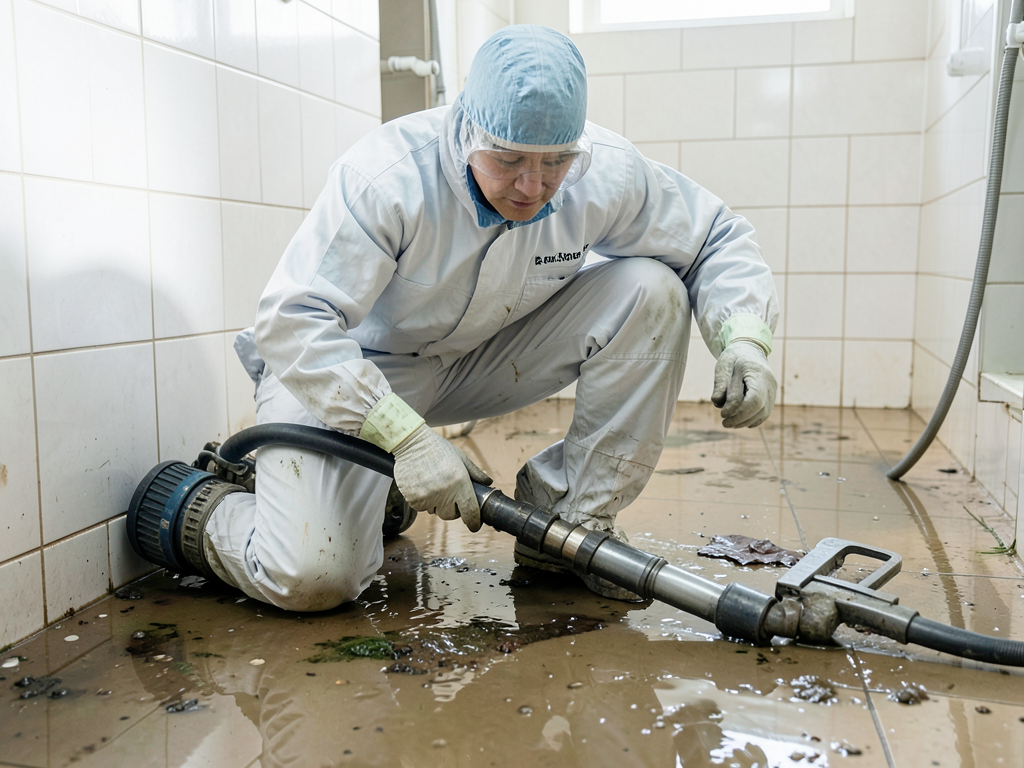
| dirty water | Hard, non-porous surfaces and some materials after proper cleaning. | Carpet pad, saturated drywall, and porous materials that absorbed gray water. |
| sewage or floodwater | Sealed concrete and other non-porous surfaces after disinfection. | All porous materials that contacted the water: drywall, insulation, carpet and pad, upholstered contents. |
A clean water job is a drying job. A sewage or floodwater job is a removal, disinfection, and drying job. The scope, the safety precautions, and the estimate all follow from the type, which is why correct classification at the start matters so much.
Getting the type wrong is expensive in both directions. Under-classifying a sewage or floodwater as a clean water leaves contamination in the structure. Over-classifying a clean water as a sewage or floodwater tears out materials that could have been saved.
DALLAS WATER RESCUE
How We Determine The Type
Type is determined by three things: the source of the water, how long it has been standing, and what it contacted on its way in.
Clean water does not stay clean. A clean water supply line leak that sits for several days, mixes with dust and debris, or passes through contaminated building materials is reclassified upward. Time and contact degrade water quality, so a fast response can literally keep a job in a lower type.
We classify based on what we find on site: the source, the path the water traveled, and the materials it touched. If there is any doubt, we treat it as the higher type. That conservative rule protects your household and your home.
Frequently Asked Questions
Yes. clean water degrades as it sits, picks up contaminants from the materials and surfaces it contacts, and mixes with dust, debris, and soil. A supply line leak that runs unnoticed for days can be reclassified to dirty water or even sewage or floodwater. Fast extraction is not just about drying speed, it can keep the entire job in a lower type.
The type sets the scope of work: clean water is primarily a drying job, while dirty water and 3 require removal and disposal of porous materials plus disinfection before drying, which changes the estimate. Insurance adjusters also classify claims by type, so correct classification with documentation supports a smoother claim. We provide the readings, photos, and itemized scope your adjuster needs.
We identify the water source, trace the path it traveled, check how long it has been standing, and assess what materials it contacted. When the classification is uncertain, we treat it as the higher type as a safety rule. You get a clear explanation of the type and what it means for your job before work begins.
No. Rainwater that enters your home is treated as sewage or floodwater because it travels across roofs, gutters, and ground surfaces, picking up contaminants along the way. Flash flooding that pushes water through doorways is definitively sewage or floodwater. Roof leaks after hail season are handled with the same caution until assessed.
A burst supply line starts as clean water because the water comes from a clean, pressurized source. If it is caught quickly, it is a drying job. If the water sat for an extended time or traveled through contaminated areas, it can be reclassified. ---
DALLAS WATER RESCUE
CTA BAND
*Know Your Type. Get The Right Cleanup.*
Correct classification means the right scope, the right safety precautions, and no wasted work. Our emergency line is always open.
Dallas Water Rescue, 79 Wales St, Dallas, TX 75208.
Water Damage Types Dallas
Call Now: (972) 430-9181. Itemized estimates and documented drying on every job.
Call Now: (972) 430-9181