Water Damage Documentation Checklist
Water Damage Documentation Checklist
When a water damage claim is disputed, delayed, or underpaid, the cause is almost always thin documentation. Adjusters approve what they can verify. A clear record of the damage, the response, and the drying process is what turns your claim from your word against the file into evidence. Documentation also protects you if the damage is worse than it first looks.
INSURANCE GUIDE
Why Documentation Decides Insurance Outcomes
Hidden moisture found during professional drying, mold discovered behind a wall, or a ceiling that fails a week later are all covered more smoothly when the original event was thoroughly documented.
Start documenting the moment you discover the damage. You do not need professional equipment. Your phone camera and a notes app are enough to build a record that matters.
DOCUMENTATION
The Water Damage Documentation Checklist
1. Photograph And Video Everything Before Anything Is Moved
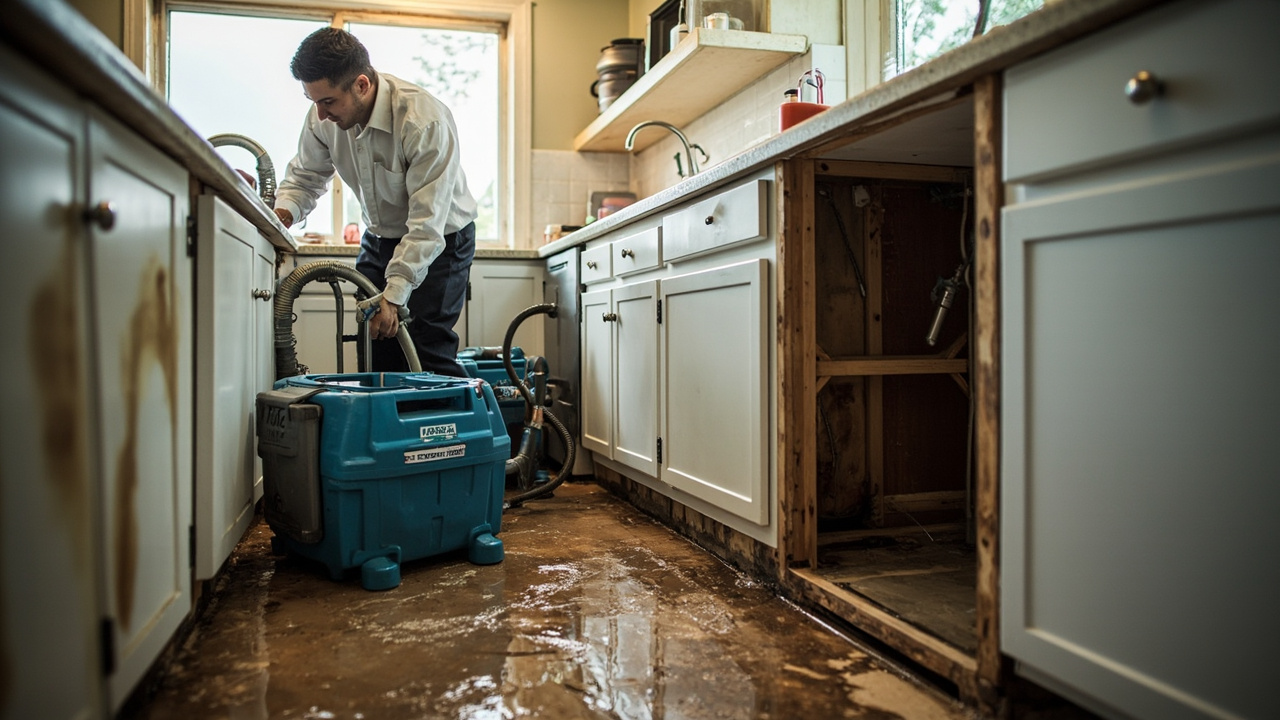
Capture the scene exactly as you found it: standing water, wet flooring, soaked contents, water lines on walls. Shoot video walkthroughs of every affected room. This "before" record is the single most valuable piece of evidence you will have.
2. Take Wide Shots Plus Close-Ups
Wide shots show the extent of the damage across the room. Close-ups show the detail: the water line on the drywall, the warped floorboard, the stained ceiling, the source of the leak if it is visible and safe to photograph. Both perspectives matter to an adjuster.
3. List Damaged Items With Approximate Age And Value
Write down every damaged item: furniture, electronics, rugs, clothing, stored boxes. Note the approximate age and what you paid or what it would cost to replace. Photograph each item. Do not rely on memory weeks later.
4. Save Every Receipt For Emergency Expenses
Keep receipts for anything you spend because of the damage: emergency plumbing repairs, fans or dehumidifiers you rent, hotel stays if the home is unlivable, and supplies. These out-of-pocket costs are part of many claims.
5. Keep A Log Of Calls And Claim Numbers
Record every call: the date, who you spoke with, what was said, and any claim or reference numbers. Insurance claims move through multiple people, and your log is the thread that holds the story together.
6. Photograph The Source If It Is Safe To Do So
A burst pipe, a failed supply line, or an overflowing appliance tells the adjuster the cause at a glance. Only photograph it if you can do so safely: never enter standing water and never touch electrical panels or switches in wet areas.
7. Ask Your Restoration Company For Moisture Readings And Drying Logs
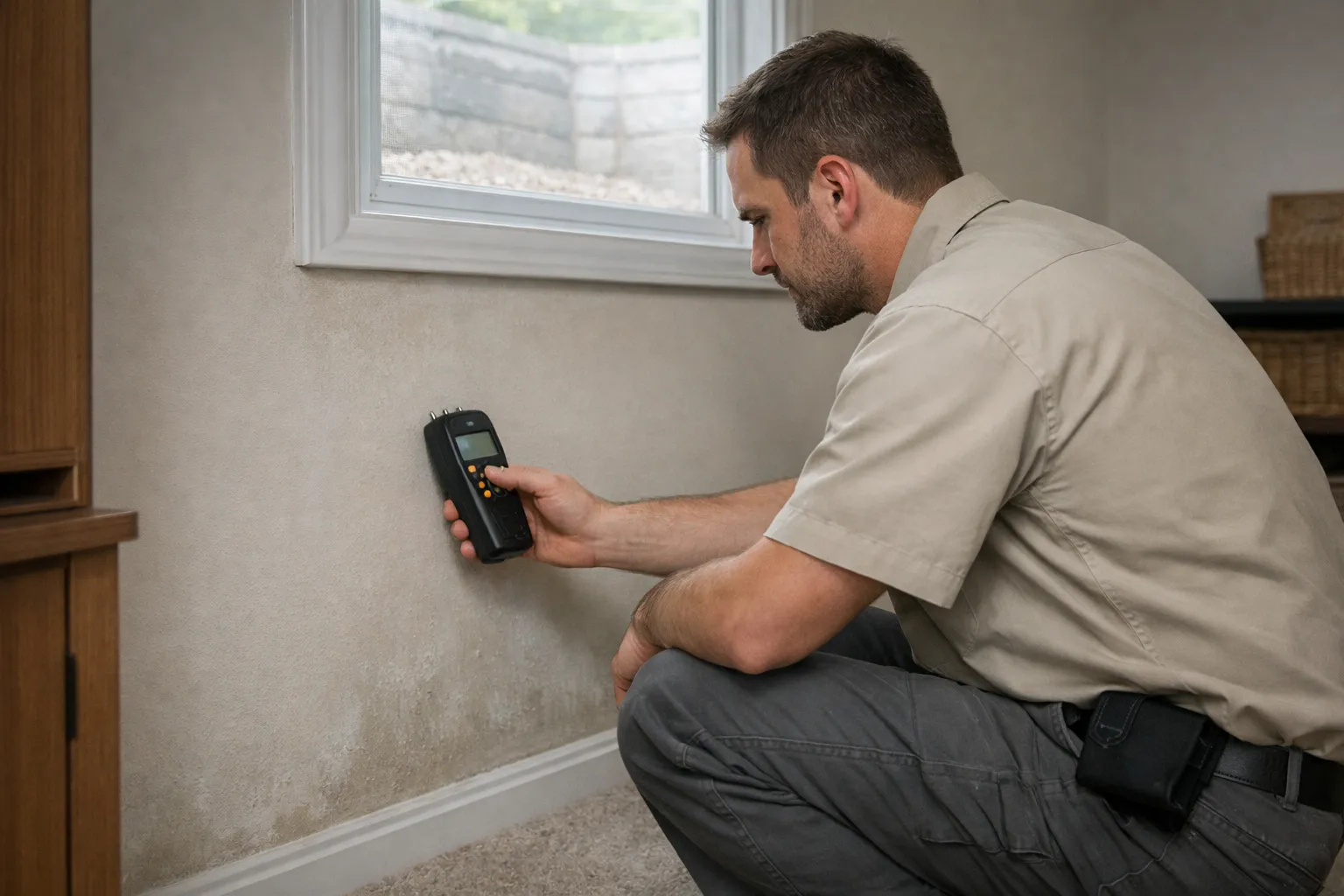
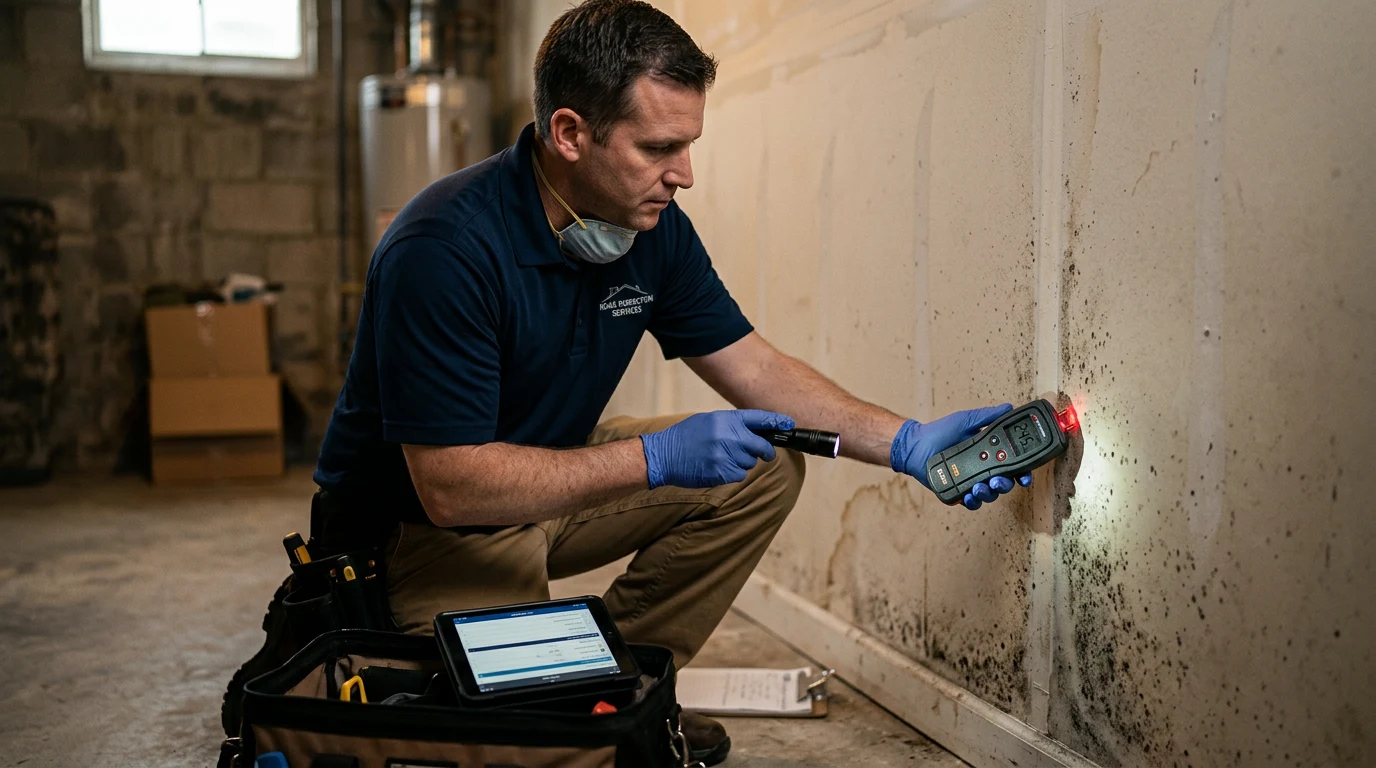
This is the professional layer most homeowners miss. Moisture meter readings, daily drying logs, and a photo record of the restoration work prove the damage was real, the response was proper, and the structure was verified dry. Ask for these by name.
DALLAS WATER RESCUE
What We Document For You
Every job we run includes a documentation package built for insurance:
- Photo documentation of the damage, the work in progress, and the completed drying, timestamped throughout the job.
- Moisture readings and drying logs recorded at each monitoring visit, showing the structure's return to verified dry standards.
- An itemized scope listing exactly what was dried, what was removed, and why, tied to the water type and the readings.
The advantage: your adjuster receives a professional evidence file, not just your photos. The outcome: fewer disputes, fewer delays, and a claim backed by measurements.
Frequently Asked Questions
No. Document first, then mitigate. Take your photos and video of the damage as found, then take reasonable steps to prevent further damage, like calling us for emergency extraction. Adjusters expect you to mitigate; they do not expect you to preserve the damage untouched. Your "before" photos are what protect you.
Write down everything you discarded from memory, with approximate age and value, and photograph the empty spaces or trash bags if they are still around. Check your phone for any older photos showing the items in your home. Then keep a list going forward. Partial documentation still beats none.
Yes. Phone photos and videos are accepted evidence for insurance claims. Make sure location and date information is enabled if your phone supports it, back the files up so they cannot be lost, and take more than you think you need. Wide shots plus close-ups of every affected area is the standard to aim for.
We provide timestamped photo documentation of the damage and the work, moisture meter readings and drying logs from each monitoring visit, and an itemized scope of what was dried and what was removed. This package is designed to give your adjuster verifiable evidence of the loss and the professional response.
No. Water does not wait for your photo session, and fast extraction limits both the damage and the claim. You can photograph the scene in minutes; every hour of delay costs far more than a perfect photo set is worth. ---
DALLAS WATER RESCUE
CTA BAND
*Get Professional Documentation With Your Restoration.*
Our photo documentation, moisture logs, and itemized scope strengthen your insurance claim from day one. Our emergency line is always open.
Dallas Water Rescue, 79 Wales St, Dallas, TX 75208.
Water Damage Documentation Checklist
Call Now: (972) 430-9181. Itemized estimates and documented drying on every job.
Call Now: (972) 430-9181