How Long Does Water Damage Take To Dry
How Long Does Water Damage Take To Dry?
How long does water damage take to dry? Drying time depends on the extent of the water, the materials affected, and the water type. There is no fixed number. Anyone who promises you an exact timeline over the phone, before seeing the damage, is guessing.
DALLAS WATER RESCUE
The Honest Answer: It Depends, And Anyone Who Gives You One Number Is Guessing
Drying time depends on the extent of the water, the materials affected, and the water type.
A small clean-water spill on tile can be resolved in a day. Water trapped under hardwood floors, inside wall cavities, or beneath a concrete slab takes far longer. Dallas summer heat helps surface evaporation but hides trapped moisture, which is why the real question is not "how many days" but "how do I know it is actually dry."
That is where professional drying earns its keep. We do not estimate dryness. We measure it, against dry standards taken from unaffected areas of your own home, until the readings confirm the structure is back to normal.
DALLAS WATER RESCUE
What Decides How Long Water Damage Takes To Dry
| Factor | Why It Matters |
|---|---|
| --- | --- |
| water type | Clean water (clean water) can often be dried in place. Contaminated water (dirty water or 3) requires removal of porous materials, which adds time to the job. |
| Square footage and saturation depth | Surface-wet carpet dries fast. Water that wicked 24 inches up drywall or pooled under flooring keeps drying for much longer. |
| Materials | Drywall and carpet release moisture quickly. Hardwood, subflooring, and concrete release it slowly and must be dried gradually to avoid warping and cracking. |
| Dallas heat and humidity | Hot air speeds surface drying, but humid air slows it. Summer storms can spike indoor humidity and stall a job that is not properly dehumidified. |
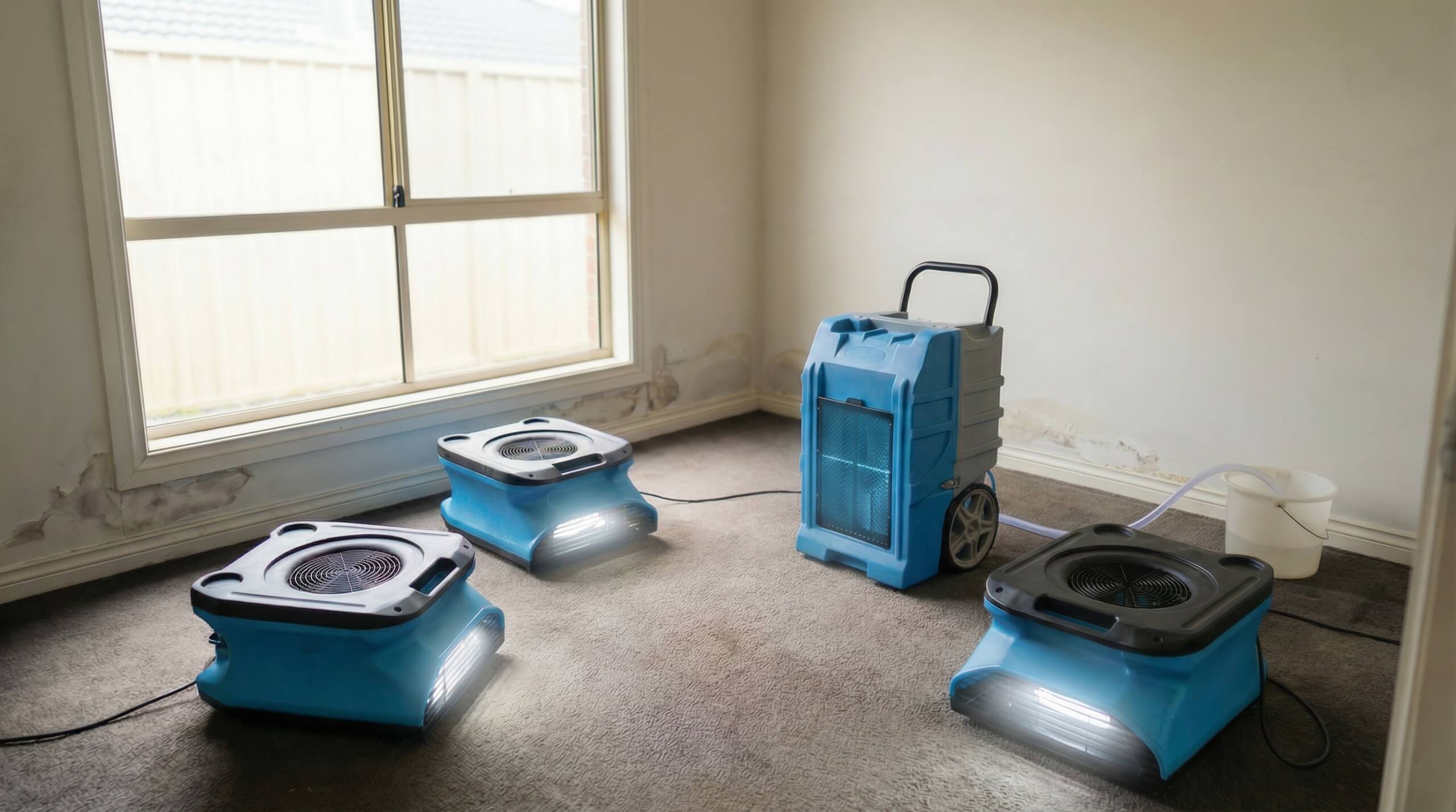
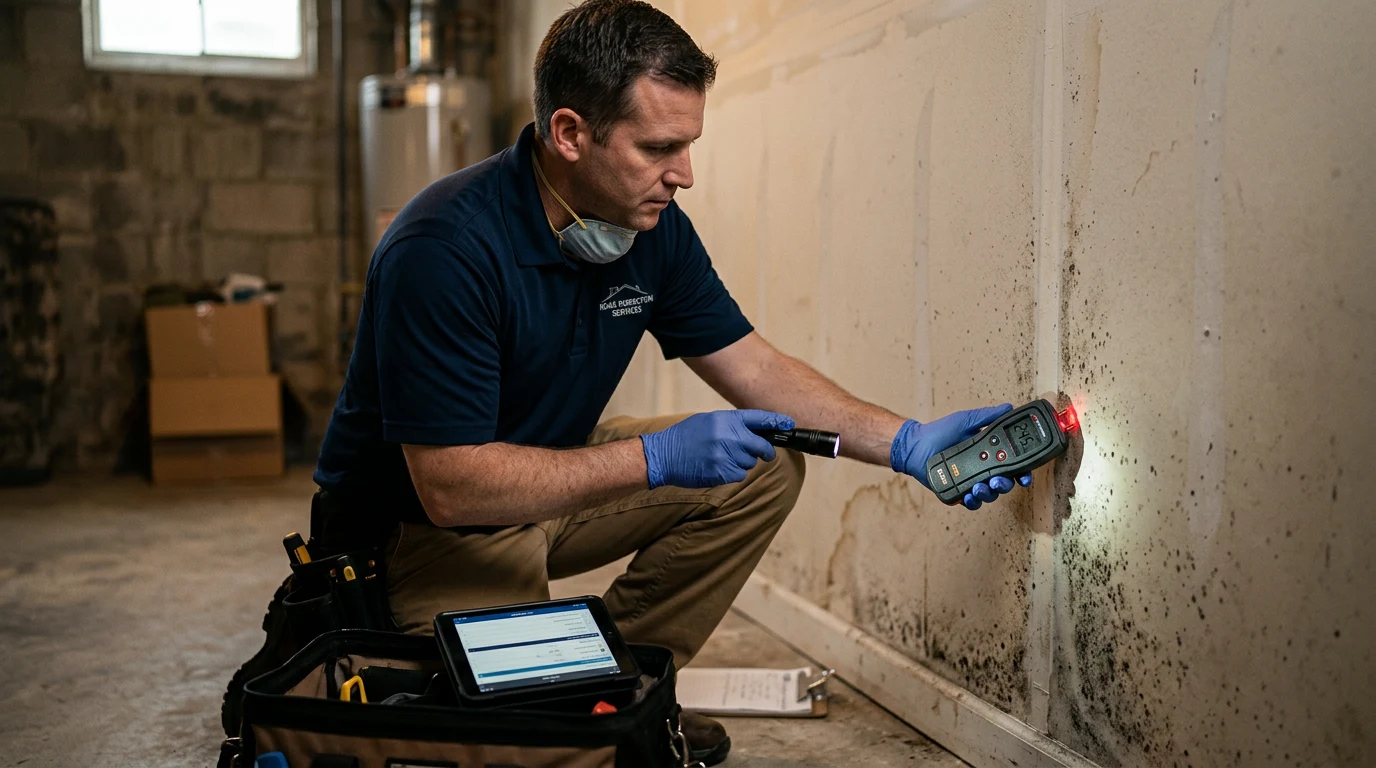
| Equipment setup | The right number and placement of air movers and dehumidifiers, monitored daily, shortens the job. Too little equipment, or equipment placed wrong, stretches it out for weeks. |
The same leak can mean three days in one home and two weeks in another. The difference is almost always what is underneath the surface.
DALLAS WATER RESCUE
How Professionals Verify Dryness
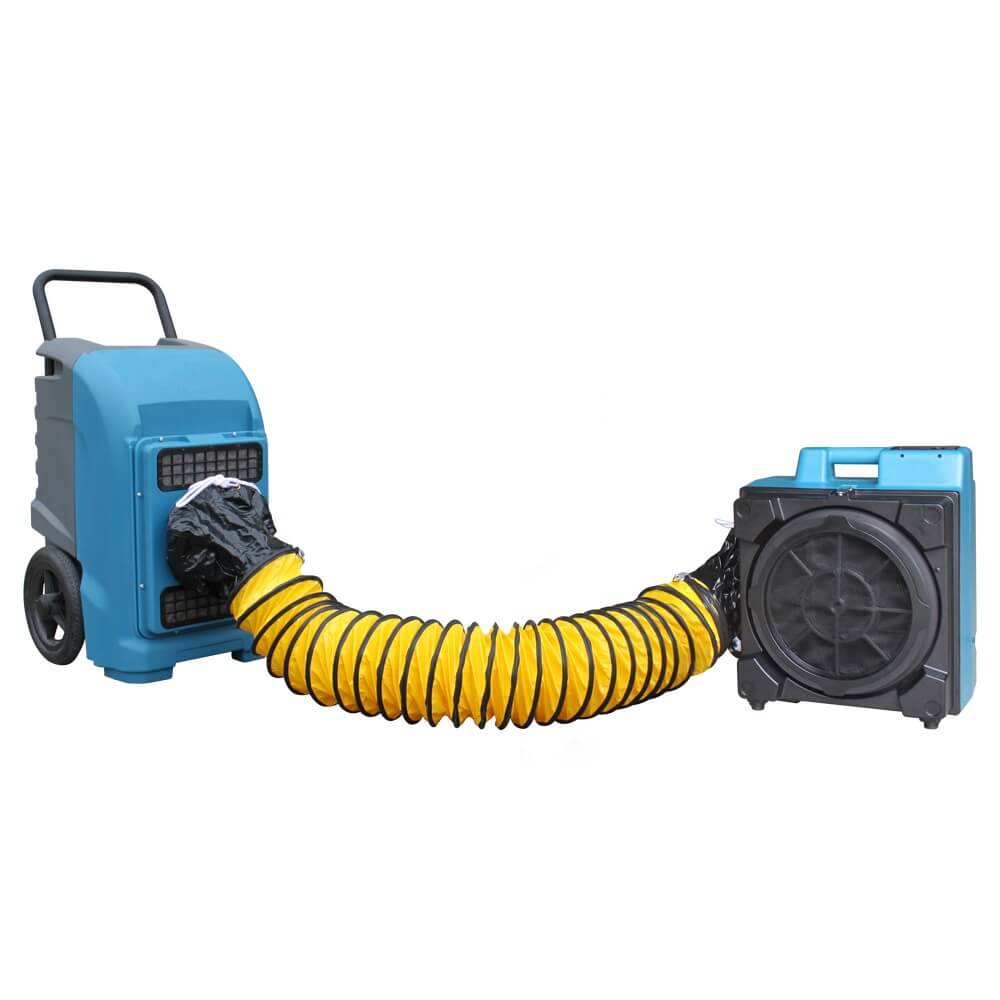
Feeling dry is not dry. Walls, subfloors, and framing can feel dry to the touch while holding damaging moisture underneath.
Here is how we verify:
- Moisture meters on every affected surface. We take readings from walls, floors, baseboards, and framing, not just the visibly wet spot.
- Dry standards from your home. We compare affected readings against unaffected materials in the same house, so "dry" is measured against your home's normal, not a generic chart.
- Drying logs across the job. Readings are recorded at each monitoring visit, creating a documented trail that shows progress day by day.
- Repairs start only after verification. Paint, drywall replacement, and flooring go back in only when readings confirm the structure is ready.
The advantage for you: no guesswork, no repairs installed over damp materials, and documentation your insurance company can actually use. The outcome: a home that is dry all the way through, not just on the surface.
MOLD PREVENTION
Why Rushing The Job Causes Mold And Failed Repairs
Water damage in Dallas heat can start growing mold within 24 to 48 hours. That clock does not stop because the carpet feels dry. If walls or subfloors stay damp, mold grows inside the wall cavity where you cannot see it, and it shows up months later as a musty smell or a stain that bleeds through new paint.
Rushed repairs fail in predictable ways:
- Paint and texture applied over damp drywall bubble, peel, and stain within weeks.
- New flooring installed over a damp subfloor cups, buckles, or delaminates.
- Trim and baseboards nailed to wet framing swell and pull away as the wood finally dries.
- Insurance adjusters question claims with no drying documentation behind the repairs.
Proper drying takes the time it takes. The job is done when the meter says so, not when the calendar does. That discipline is what separates a repaired home from a repeat claim.
Frequently Asked Questions
No. Household fans move air across the surface but cannot pull moisture out of wall cavities, subfloors, or underlayment. Worse, fans pointed at contaminated water can spread it further. Professional air movers and dehumidifiers are sized and placed to create the airflow and humidity conditions that actually extract trapped moisture, and they are monitored with moisture readings.
We compare moisture meter readings from affected areas against dry standards taken from unaffected materials in your own home. When affected readings return to those standards across walls, floors, and framing, the structure is verified dry. Every reading is logged, so you and your insurer can see the proof.
Not always. Drywall affected by clean water can often be dried in place if it has not lost structural integrity. Drywall affected by contaminated water, or that stayed saturated long enough to swell, crumble, or grow mold, is removed and replaced. We make that call based on moisture readings and the water type, not guesswork.
Sometimes. Clean water extracted quickly gives hardwood its best chance, and specialty drying can often save floors that look ruined on day one. Floors soaked by contaminated water, or left wet long enough to cup badly and delaminate, usually cannot be saved. A moisture assessment within the first day or two makes all the difference, so call early.
A musty smell after drying means moisture is still trapped somewhere, or mold started growing before drying finished. Do not cover it with air freshener. Call us for a re-inspection with moisture mapping so we can find the source and fix it properly. ---
DALLAS WATER RESCUE
CTA BAND
*Still Wondering How Long Your Water Damage Will Take To Dry?*
Get a professional moisture assessment and a verified drying plan for your Dallas home. Our emergency line is always open.
Dallas Water Rescue, 79 Wales St, Dallas, TX 75208.
How Long Does Water Damage Take To Dry
Call Now: (972) 430-9181. Itemized estimates and documented drying on every job.
Call Now: (972) 430-9181