What To Do After Water Damage
What To Do After Water Damage
What you do in the first hour after water damage shapes the rest of the job. Water keeps moving through drywall, subfloor, and framing until it is stopped and dried. In Dallas heat and humidity, delay also gives mold a head start. Follow the steps below in order.
DALLAS WATER RESCUE
The First Hour Matters
They are written for safety first and for protecting both your property and any future insurance claim.
DOCUMENTATION
Safety-First Checklist
- Stay safe. Do not enter standing water. Do not touch electrical panels, outlets, or switches in wet areas. If water is near anything electrical, stop and call for help.
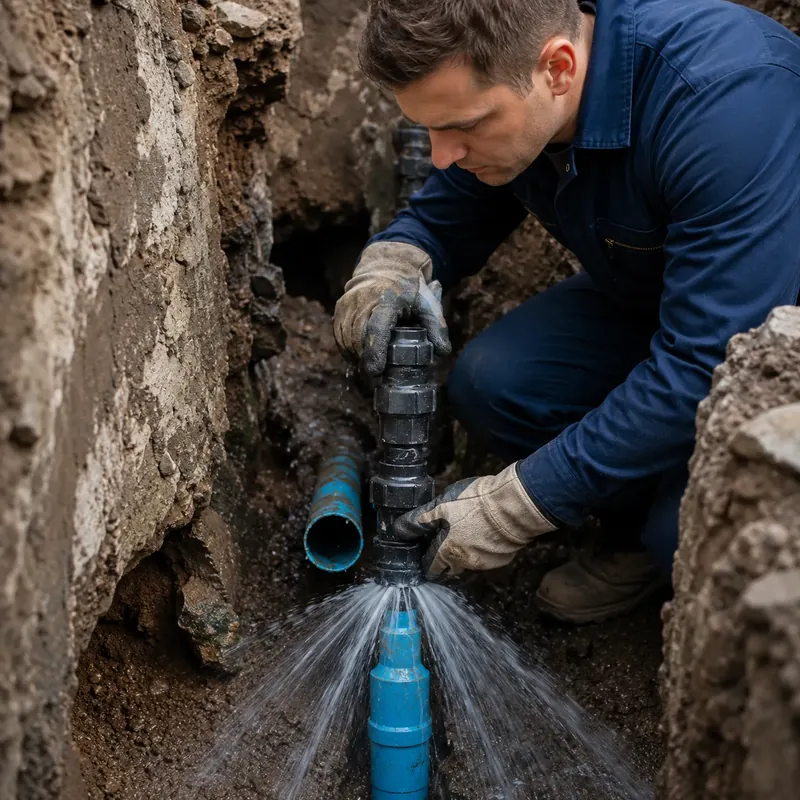
- Stop the source if it is safe. For a pipe leak, turn off the main water shutoff. If the water is sewage or floodwater, skip this step and call. Contaminated water is not a DIY situation.
- Protect what you can without taking risks. Move valuables, electronics, and important papers to a dry area only if it is safe to do so. Do not wade into standing water to save a rug.
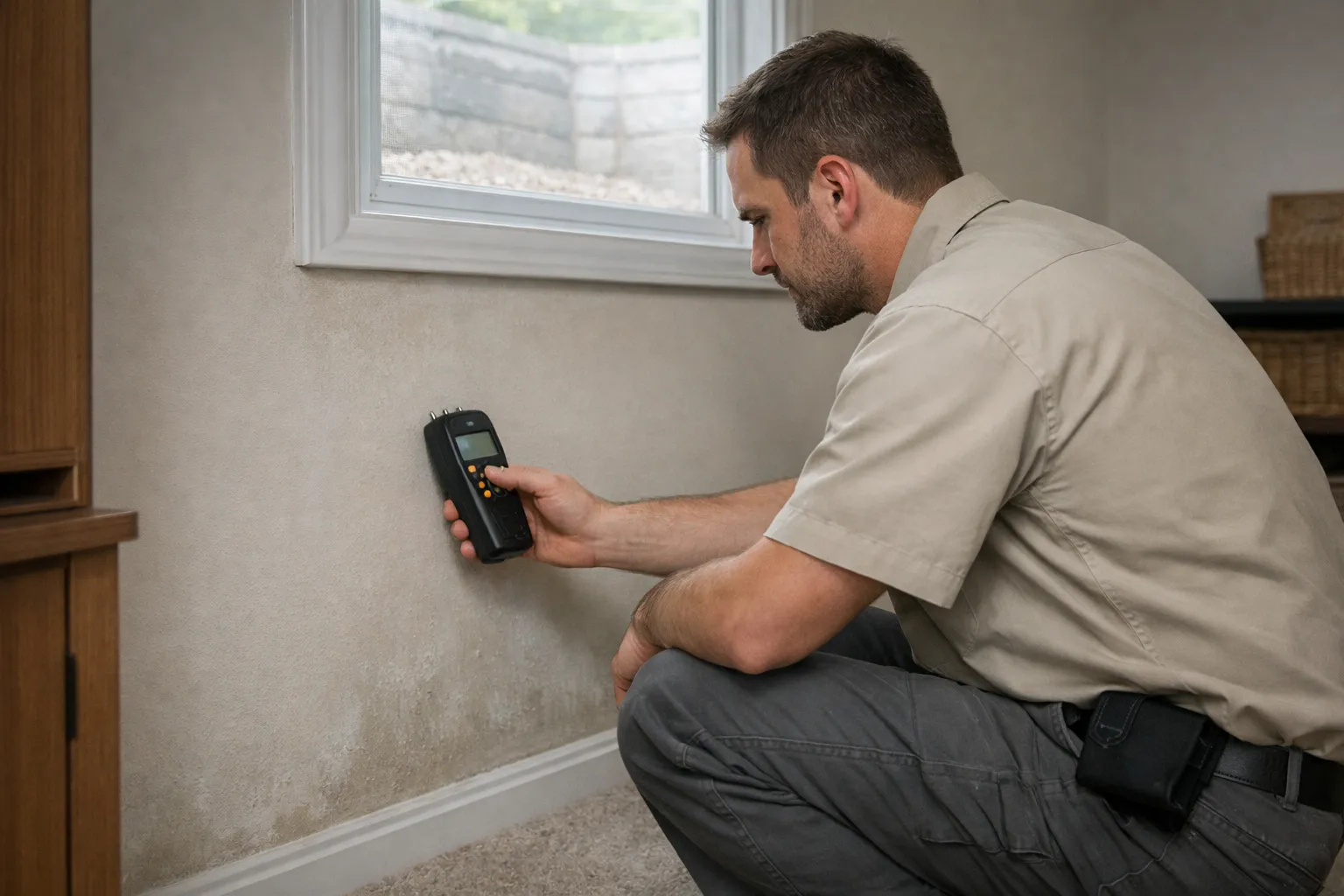
- Document everything. Take photos and video of the damage before anything is moved or cleaned. Capture every room, every wall, and the source if you can see it safely.
- Call in this order. First, call a restoration company for emergency mitigation: extraction and drying. If a pipe burst, call a plumber too, since plumbing fixes the source while restoration handles the water. Then call your insurance company to open a claim.
DALLAS WATER RESCUE
What NOT To Do
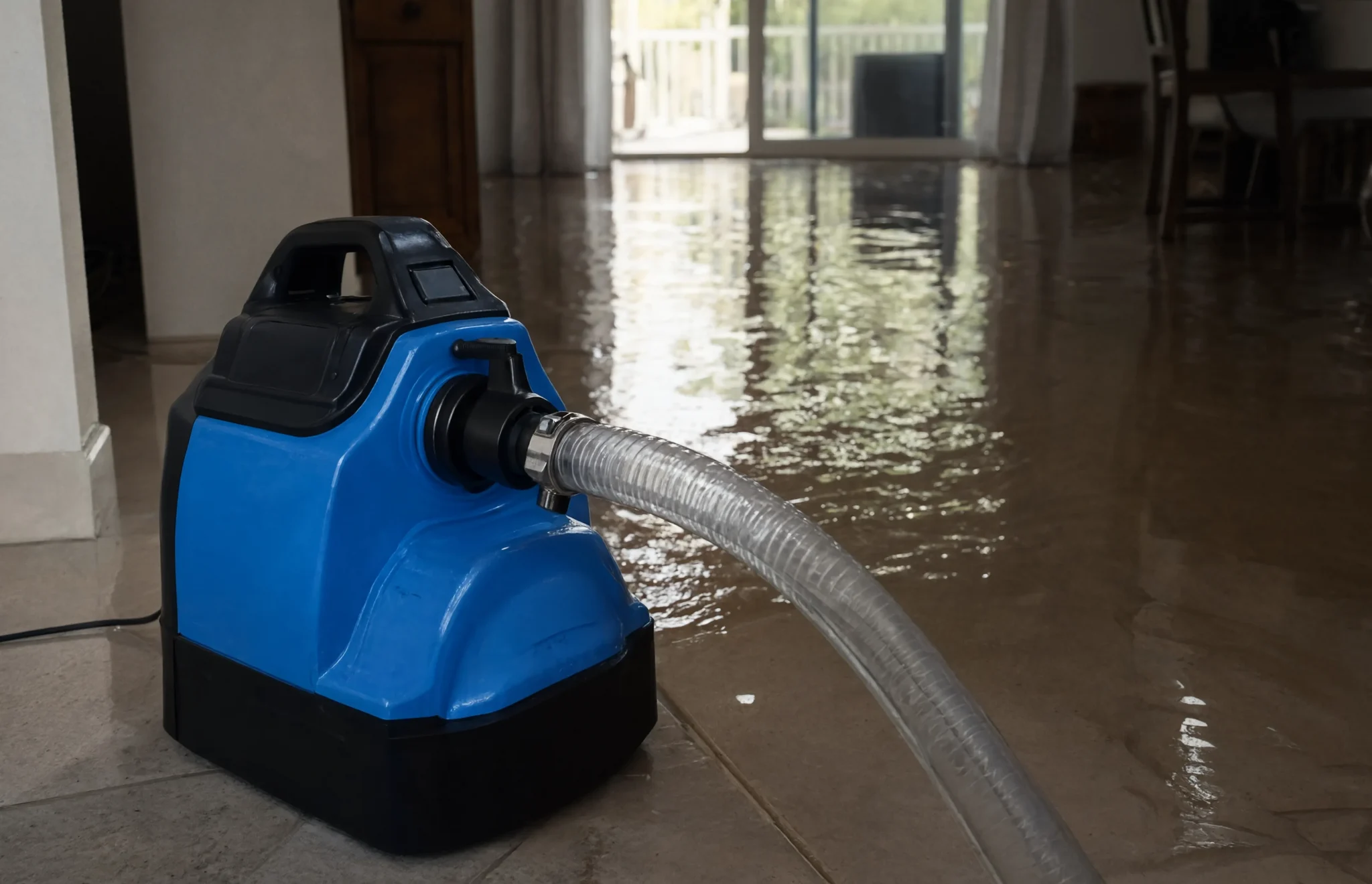
- Do not wait to "see if it dries on its own." It will not, and delay raises the cost and the mold risk.
- Do not point household fans at contaminated water. Fans spread contaminants and do not dry a structure properly.
- Do not throw away damaged items before documenting them. Photos and a written list come first.
- Do not sign anything you do not understand. Read every authorization and ask questions before signing.
- Do not enter rooms where the ceiling is sagging or bulging with water. Wet ceilings can collapse.
Frequently Asked Questions
Call a restoration company first for emergency mitigation, then your insurance company. Mitigation stops the damage from spreading, which protects both your property and your claim. Insurers expect you to prevent further damage, so waiting for the adjuster works against you.
It depends on the extent and the water type. Clean water in one room often allows you to stay. Sewage backups, widespread flooding, or heavy equipment running through sleeping areas may make staying impractical. We will tell you honestly what to expect before work begins.
It depends on what got wet and how fast the response is. We document affected contents, set aside what can be salvaged, and tell you plainly what is not worth saving. Fast extraction gives contents their best chance.
In Dallas heat and humidity, mold can start growing within 24 to 48 hours on wet drywall, wood, and other porous materials. This is why fast drying matters. We verify dryness with moisture meter readings so wet materials are not sealed behind new finishes.
If the source is a burst pipe or a failed supply line, yes. The plumber fixes the source, and we handle the water extraction, drying, and repair. Call both: plumbing first for the source, restoration immediately after for the damage.
DALLAS WATER RESCUE
Act Fast, Stay Safe
Water does not pause while you decide. If you are looking at water damage right now, do the safe steps above, then call. Dallas Water Rescue responds to emergencies across Dallas and nearby cities, and we will walk you through exactly what happens next.
What To Do After Water Damage
Call Now: (972) 430-9181. Itemized estimates and documented drying on every job.
Call Now: (972) 430-9181