How To Prevent Mold After Water Damage
How To Prevent Mold After Water Damage
How do you prevent mold after water damage? Remove the water fast, dry the structure to verified moisture readings, and do not let materials stay damp. That is the entire formula. Mold can start growing within 24 to 48 hours on damp drywall, wood, and carpet in Dallas heat and humidity.
DALLAS WATER RESCUE
The Direct Answer: Dry It Fast, Dry It Fully, Dry It Verified
The prevention window is short, and surface dryness does not count. Walls and subfloors that feel dry to the touch can still hold enough moisture to grow mold inside the cavity, where you will not see it for months.
Our role is water damage restoration that prevents mold through proper drying. We extract the water, dry the structure with monitored equipment, remove porous materials that cannot be saved, and verify every surface against dry standards before repairs begin. Mold never gets the damp foothold it needs.
DALLAS WATER RESCUE
The Prevention Steps That Actually Work
1. Extract Standing Water Immediately
Mold needs sustained moisture. Every hour water sits on floors and wicks up walls is an hour closer to growth. Professional extraction removes water from carpet, flooring, and cavities that mops and wet vacs cannot reach, and it starts the drying clock from zero instead of from "mostly mopped."
2. Dry The Structure With Monitored Equipment
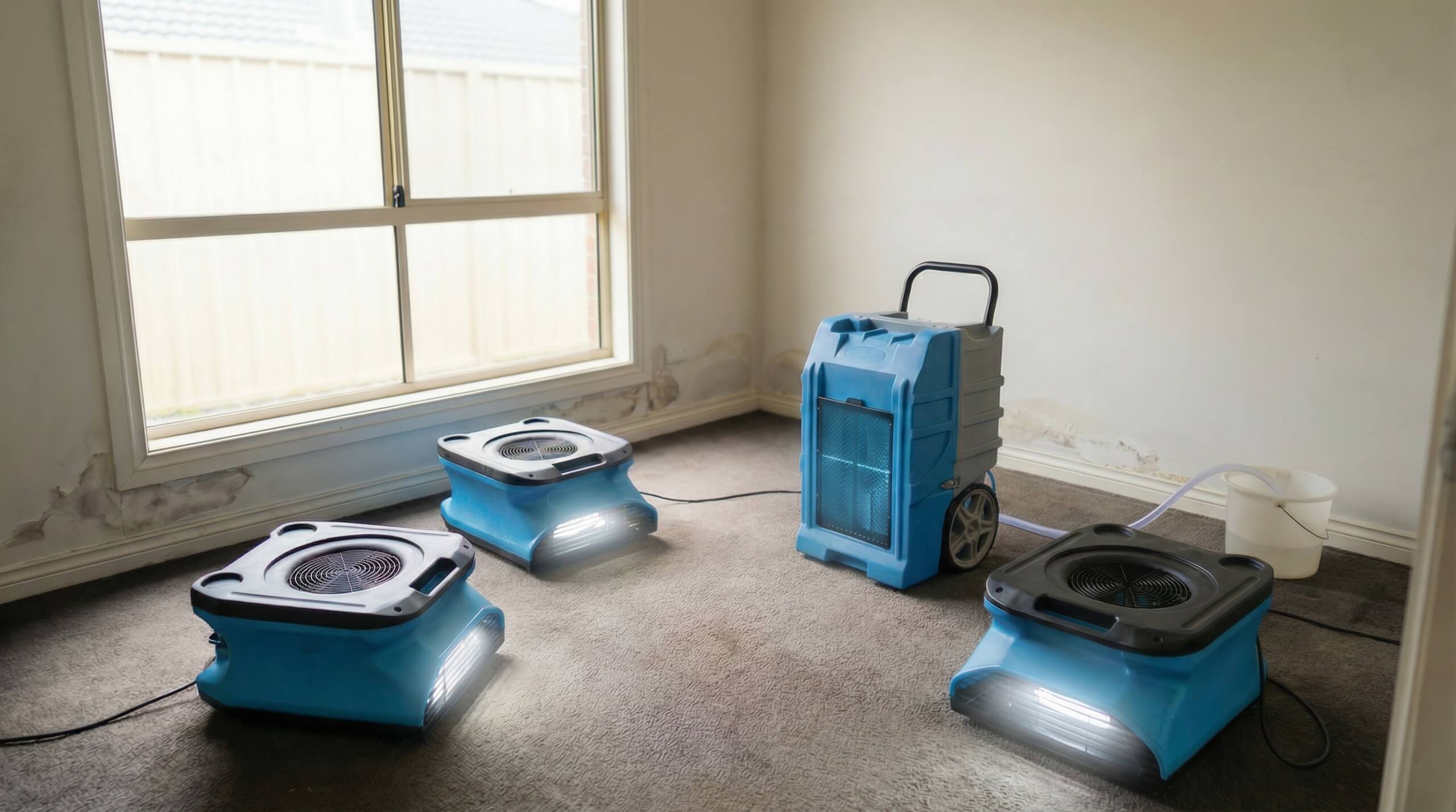
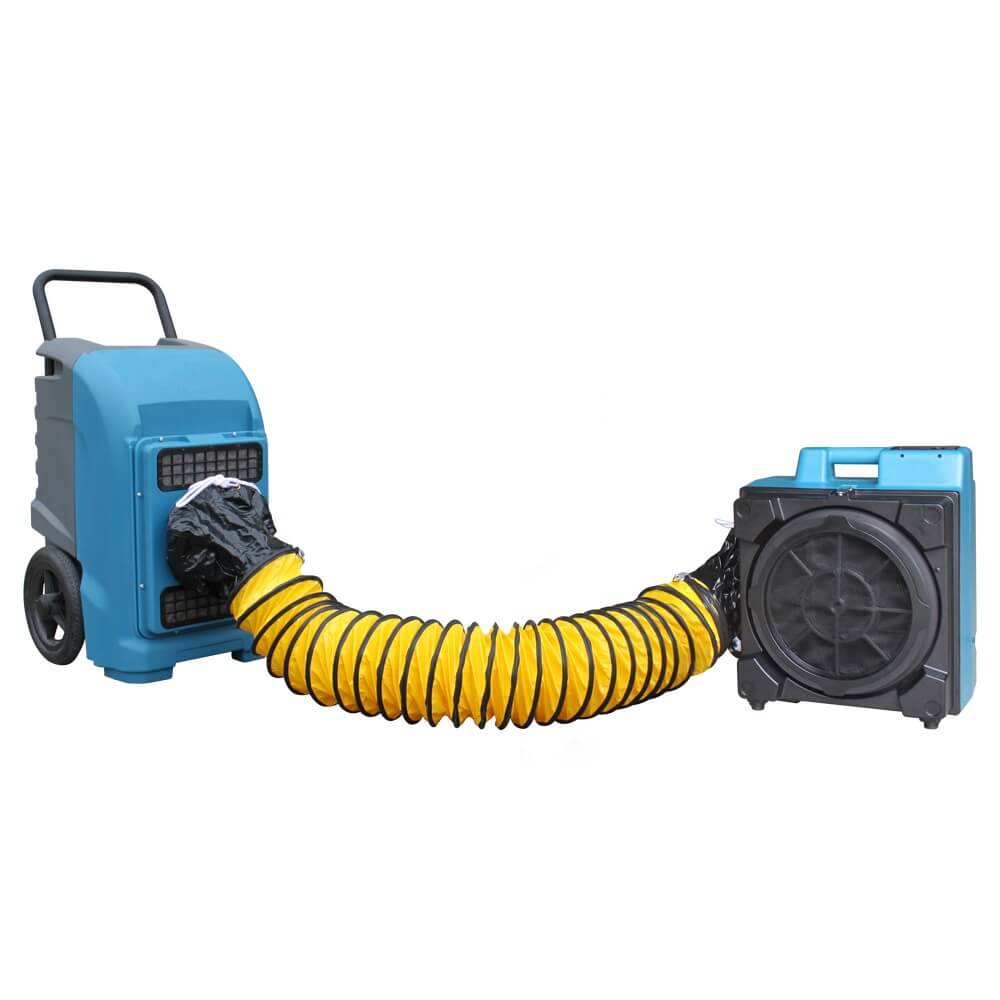
Air movers and dehumidifiers sized for the space and the saturation level pull moisture out of walls, subfloors, and framing. Equipment is monitored and readings are logged across the job, so drying continues until the structure is verified dry, not until it looks dry.
3. Remove Porous Materials That Cannot Be Saved
Drywall, insulation, and carpet pad that stayed saturated or were exposed to contaminated water cannot be dried back to safe condition. Removing them eliminates the exact materials mold colonizes first. This is a removal decision, not a drying decision, and it is made based on moisture readings and water type.
4. Verify Dryness Before Any Repairs
Paint, new drywall, and flooring go back in only after moisture readings confirm the structure matches dry standards. Sealing verified-dry materials is what keeps mold from starting behind your new walls six months later.
DALLAS WATER RESCUE
What Homeowners Should Not Do
- Do not just point a fan at it and hope. Household fans dry the surface while the wall cavity stays wet. This is the single most common reason mold appears after a "handled it myself" cleanup.
- Do not paint over water stains. Stain-blocking paint over damp drywall traps moisture and feeds mold behind a fresh coat of paint. The stain will bleed through anyway.
- Do not seal wet materials behind new drywall. Covering damp framing or insulation hides the problem until the musty smell gives it away, and by then the mold is established.
- Do not wait to see what happens. In Dallas summer conditions, waiting a week to decide is often the difference between a drying job and a mold problem.
MOLD PREVENTION
A Note On Visible Mold
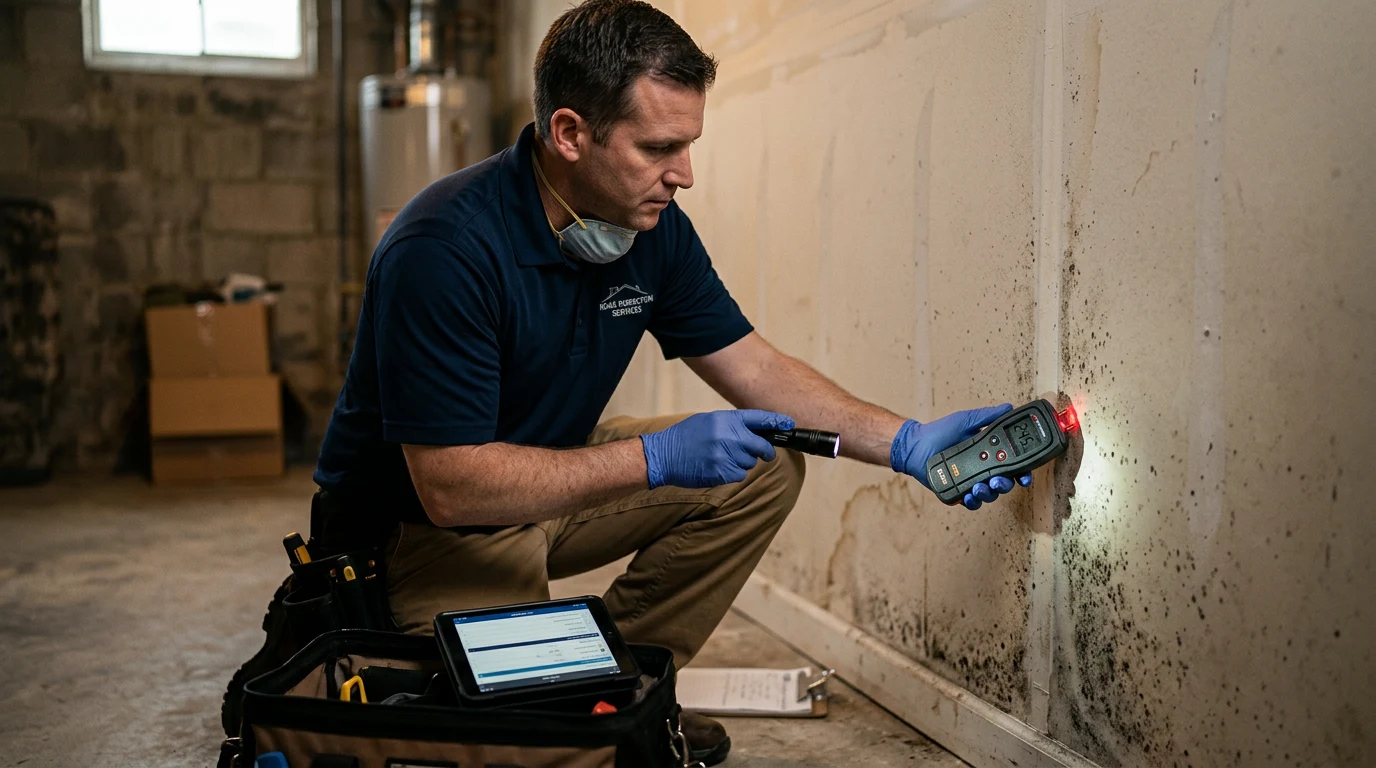
If you already see mold growing, call us to assess the water damage behind it. We will tell you honestly what we find. Visible mold may require a dedicated mold specialist, and we will say so plainly rather than pretend a drying job covers it. What we do is eliminate the moisture conditions that allow mold to start, which is the only reliable prevention there is.
Frequently Asked Questions
Mold can begin growing within 24 to 48 hours on damp porous materials, and Dallas heat and humidity push toward the faster end of that range. The clock starts when materials get wet, not when you notice the leak. Fast extraction and professional drying are the only way to beat it.
Yes, when materials are dried to verified moisture readings before mold establishes itself. Drying removes the sustained dampness mold needs to grow. Surface drying does not count: walls and subfloors must be verified with moisture meters against dry standards, which is why professional drying with monitoring is the reliable prevention method.
We do water damage restoration, not mold remediation, and we will tell you honestly what you are dealing with. If the visible growth needs a dedicated mold specialist, we will say so. Either way, the moisture source has to be found and fixed first, and that is where we start.
No. Bleach whitens the surface stain but does not reach mold roots inside porous drywall, and the water in the bleach can feed regrowth. Drywall with mold growth behind a water event should be removed and replaced, not bleached. Do not rely on bleach as a cleanup method.
A musty smell after drying means moisture is still trapped somewhere or mold started before drying finished. Do not mask it with air freshener. Call for a re-inspection with moisture mapping so the remaining moisture can be found and properly dried. ---
DALLAS WATER RESCUE
CTA BAND
*Stop Mold Before It Starts.*
Fast extraction and verified structural drying are the proven way to prevent mold after water damage. Our emergency line is always open.
Dallas Water Rescue, 79 Wales St, Dallas, TX 75208.
How To Prevent Mold After Water Damage
Call Now: (972) 430-9181. Itemized estimates and documented drying on every job.
Call Now: (972) 430-9181